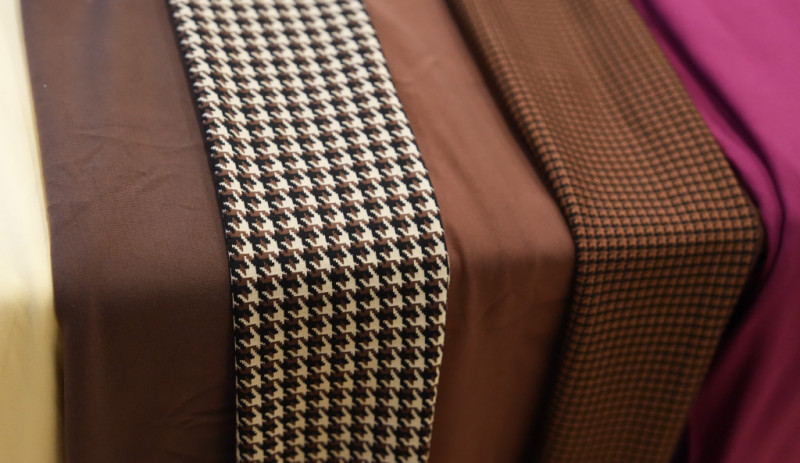

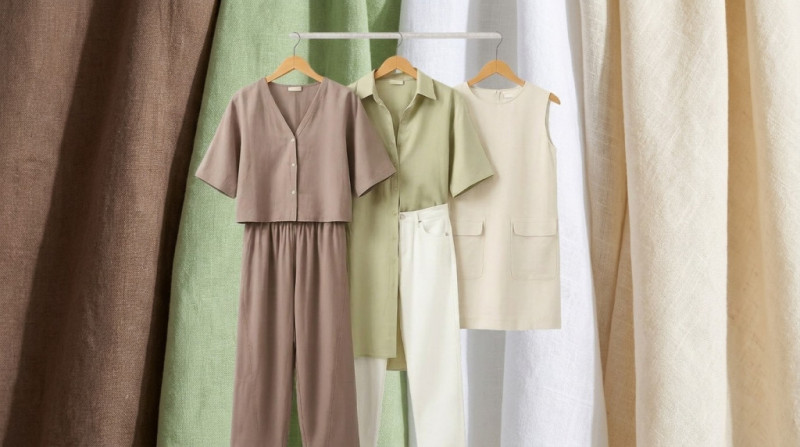
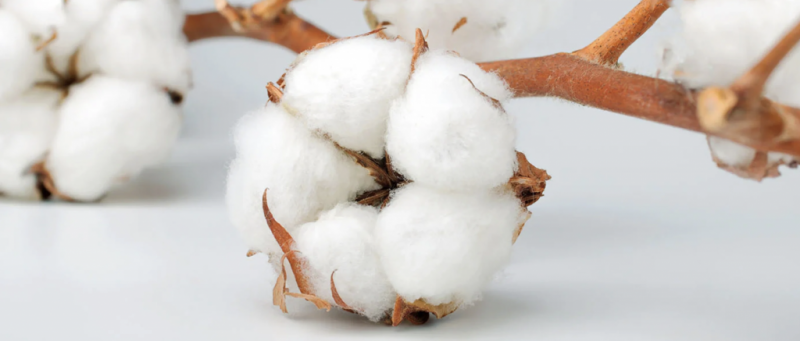
According to the WGSN trend report The Restorers, by 2028 fashion will enter a new phase where the focus is no longer on fast trends and visual impact, but on how clothing is worn and how it makes us feel.
For fashion brands and the textile industry, this signals an important shift — value is no longer defined solely by design, but by the experience that the material provides.
Fewer trends, more value
Customers are increasingly looking for clothing that lasts, both in quality and in style. Instead of constantly changing trends, there is a growing interest in thoughtful pieces that are easy to combine and remain relevant for more than one season. The focus is on timeless design, quality craftsmanship, and long-term value.
A return to materials that can be felt
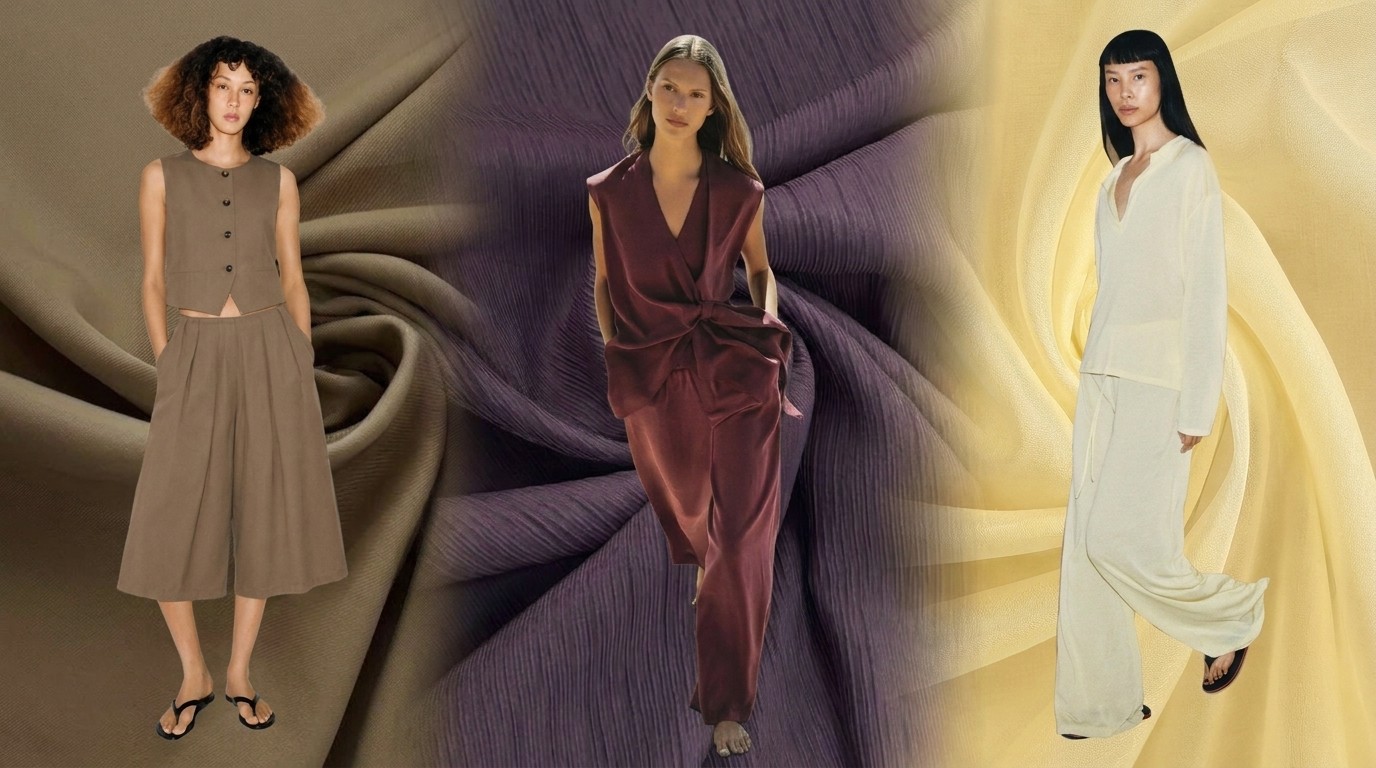
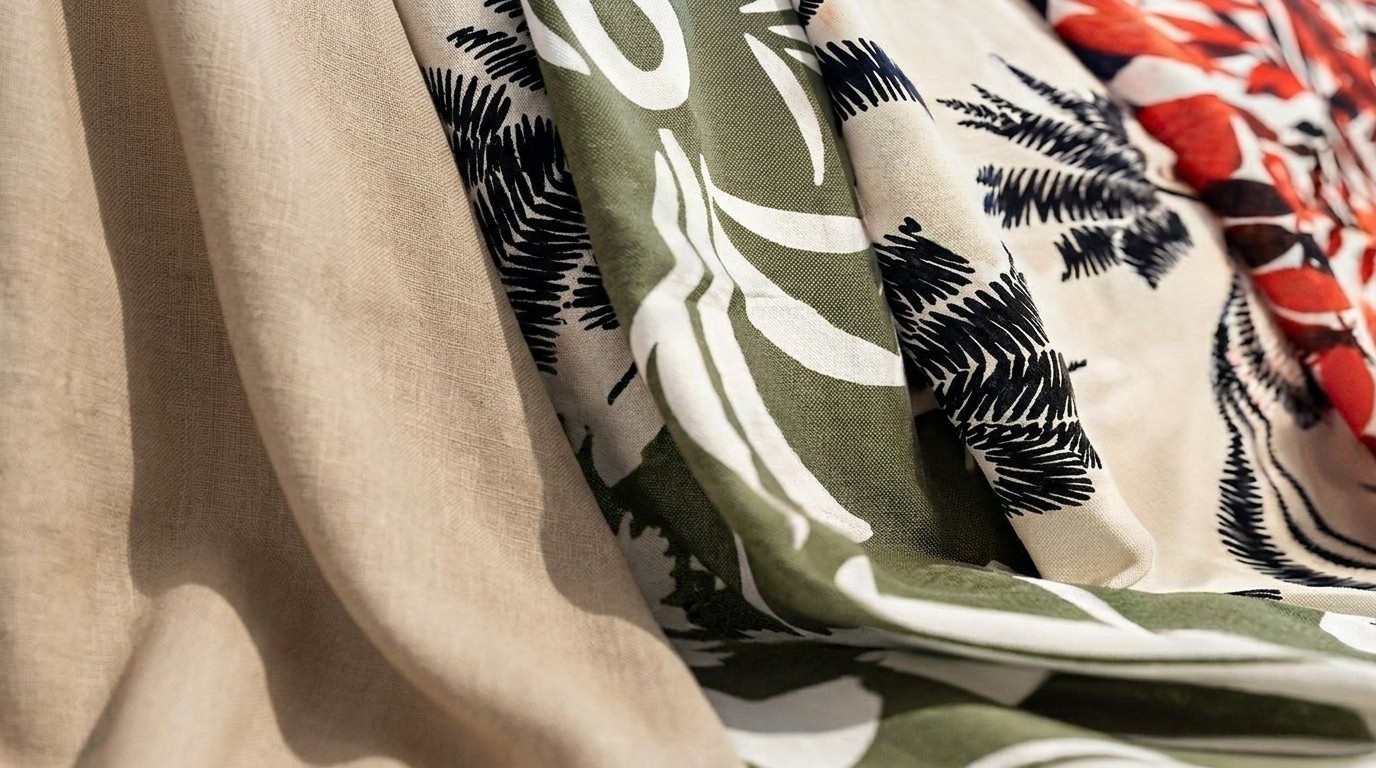
One of the most prominent directions is the return to natural and tactile materials. WGSN highlights the importance of fabrics that offer a sense of comfort, softness, and natural drape. As a result, linen, cotton, viscose, lyocell/Tencel, modal, and other comfortable blends are coming back into focus.
At the same time, comfort is becoming one of the most important values. Softer cuts, fluid silhouettes, and lightweight materials respond to the needs of the modern consumer, who expects more from clothing than just a good appearance.
Authenticity and transparency
Materials with a pronounced texture and natural character are increasingly valued. Customers are looking for products that have a story, which is why the origin of raw materials, fabric composition, certifications, and responsible production are becoming an important part of brand communication.
Quiet elegance instead of loud luxury
The aesthetics of the future are moving toward what WGSN describes as “quiet luxury.” Natural textures, neutral tones, and quality recognized through material are coming to the forefront. It is a form of sophistication that does not demand attention loudly, but holds it through quality.
What does this mean for the textile industry?
For Textil and the wider fashion industry, this trend represents a clear direction of development. Customers and brands are increasingly seeking fabrics that offer a natural feel, comfort, and long-term value, which is why materials such as linen, viscose, lyocell/Tencel, and cotton are becoming the foundation of contemporary collections.
In a time when fashion is measured less by speed and more by the quality of experience, material is once again taking center stage.
Conclusion
Trends for 2028 show that the future of fashion is not only about how clothing looks, but also about how it contributes to a sense of comfort, authenticity, and balance. In this context, material is becoming one of the key elements of every successful collection.